Food Noise & Binge Eating Recovery
Is It Binge Eating Disorder or Just Overeating? How to Tell the Difference
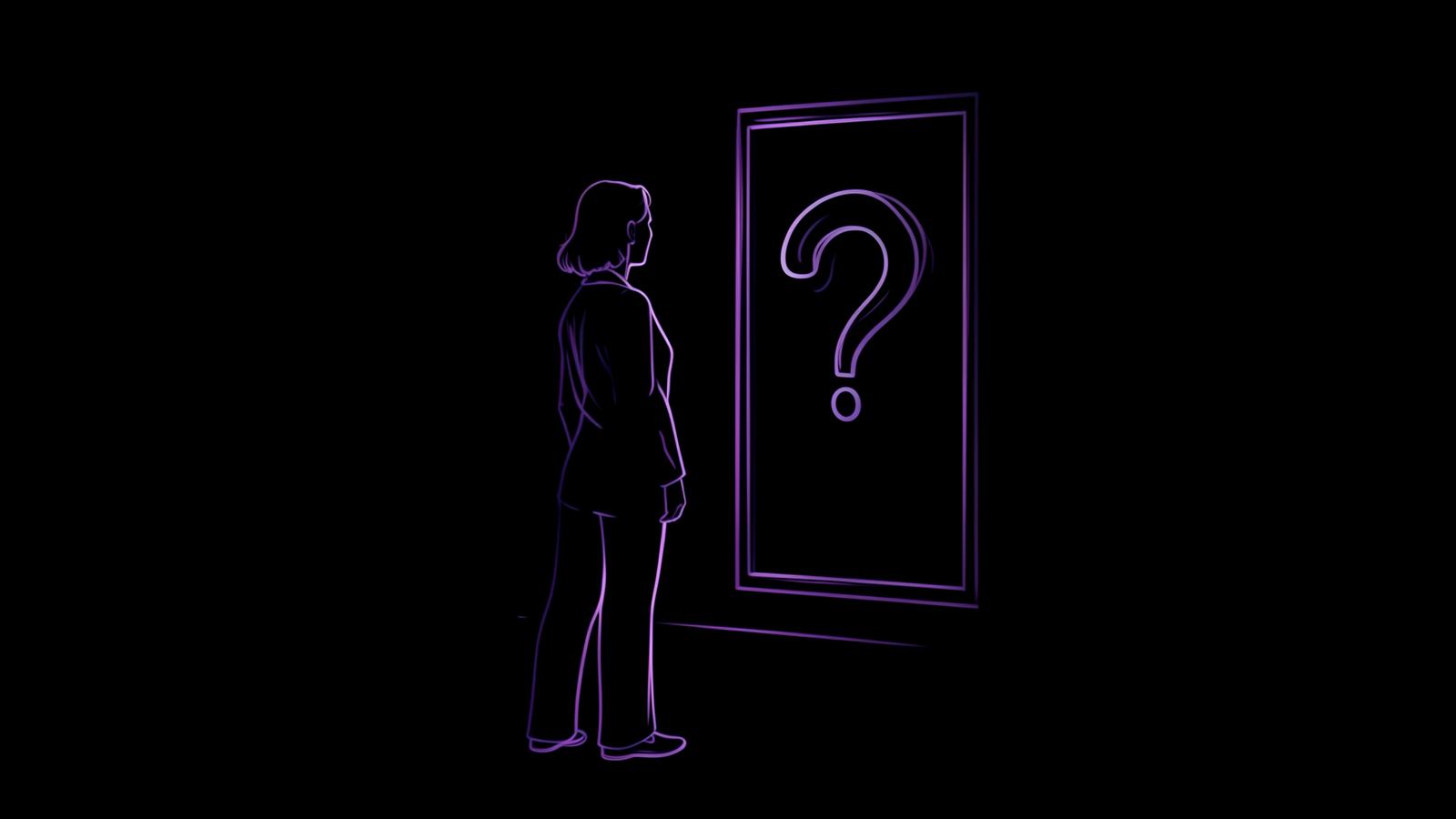
You've talked yourself out of this a hundred times. Everyone eats too much at Christmas. Everyone has a bad week. You're not thin enough to have an eating disorder, or you're not big enough for anyone to take it seriously, or you don't purge so it can't be that bad.
That reasoning is extremely common and it delays help by years on average. Here's the distinction as clinicians actually draw it, so you can stop adjudicating it alone at 1am.
Part of our guide to limerence recovery and getting someone out of your head.
What clinicians look for
Binge eating disorder is a formal diagnosis in the DSM-5 and it is the most common eating disorder — more prevalent than anorexia and bulimia combined. Broadly, the criteria describe recurrent episodes of eating an unusually large amount in a discrete period, accompanied by a sense of loss of control, occurring regularly over a period of months, causing marked distress, and without the regular compensatory behaviours seen in bulimia.
Associated features include eating much faster than normal, eating until uncomfortably full, eating when not physically hungry, eating alone out of embarrassment, and feeling disgusted or guilty afterwards. Only a clinician can diagnose it — but you can recognise yourself in a list.
The distinctions that actually matter
- Loss of control. Ordinary overeating is a choice you'd rather not have made. A binge feels like something happening to you, often with a numb or absent quality partway through.
- Distress. A big dinner might leave you uncomfortable. A binge leaves shame, secrecy and self-loathing that colours the next few days.
- Secrecy. Overeating happens at tables, with people. Bingeing is very often hidden — in cars, at night, with packaging concealed.
- Pattern. A festive blowout is an event. This is recurrent, predictable and organised around triggers, and it doesn't stop when the occasion ends.
- Interference. It shapes your plans, your relationships, your money and your mood. Overeating doesn't restructure your life around itself.
- Hunger isn't the driver. Bingeing is frequently emotional regulation or the aftermath of restriction, not appetite.
“I kept telling myself it was just a bad habit. What finally landed was realising I'd turned down three invitations that month because I'd planned to be alone with food instead.”
Questions worth answering honestly
- Do you eat amounts most people would consider unusually large, in a short window, more than occasionally?
- During those episodes, do you feel unable to stop once you've started?
- Do you eat in secret, or hide evidence of what you've eaten?
- Do you eat past comfortable fullness, often to the point of pain?
- Does it happen when you're not physically hungry?
- Does shame about it affect your mood, your plans or your relationships?
- Has it been happening, on and off, for months or years?
Several yeses do not diagnose you, and they do not tell you how serious it is. They tell you the question deserves a professional rather than another year of private deliberation.
Why the label is useful rather than damning
People resist naming it because a diagnosis feels like a life sentence. In practice it usually works the other way. It reframes years of assumed moral failure as a recognised, treatable condition, it points you at approaches with actual evidence behind them, and it explains why the strategies you've been using — stricter rules, more discipline — were always going to fail. That's not a sentence. It's a map.
One more thing
If you've read this far, you already know the answer to the question in the title, and you've probably known for a while. The fact that other people have it worse has never been a reason for anyone to keep suffering quietly. Binge eating responds to treatment, and it responds better the earlier you ask.
Frequently asked questions
What's the difference between binge eating and overeating?
Overeating is eating more than you intended, usually openly and without lasting distress. A binge involves a sense of loss of control during the episode, often eating in secret and past the point of discomfort, followed by significant shame — and it recurs as a pattern rather than as an occasional event.
What are the symptoms of binge eating disorder?
Recurrent episodes of eating unusually large amounts in a short period with a sense of loss of control, occurring regularly over months, with marked distress and without the regular compensatory behaviours seen in bulimia. Common features include eating very fast, eating until uncomfortably full, eating when not hungry, eating alone from embarrassment, and feeling disgusted or guilty afterwards.
Can I have an eating disorder at a normal weight?
Yes. Eating disorders occur at every body size, and binge eating disorder in particular is diagnosed across the full weight range. Appearance is not a criterion, and you do not need to look unwell to deserve assessment and treatment.
Is binge eating disorder more common than anorexia?
Yes — binge eating disorder is the most common eating disorder and is more prevalent than anorexia and bulimia combined, despite receiving far less public attention. It is also frequently underdiagnosed because people assume it doesn't count as a real disorder.
When should I see a doctor about binge eating?
Seek help if episodes are recurrent and distressing, if they're interfering with your relationships, work or finances, or if you're purging, restricting severely, using laxatives or diet pills, or exercising compulsively. Chest pain, dizziness, fainting, persistent vomiting or thoughts of self-harm need urgent medical attention.
Do I need a diagnosis to get help?
No. You can raise the issue with a GP, a therapist or a national eating disorder helpline without any label, and you don't need to meet full criteria to benefit from support. Waiting until you're certain it's serious enough is one of the most common reasons treatment gets delayed for years.

Silence
Kill the food noise. Break the binge cycle.
A recovery toolkit for food noise and binge eating. Track binge-free streaks, log triggers, use the panic button, and reclaim your relationship with food.
Learn more about Silence