Food Noise & Binge Eating Recovery
How Long Does It Take to Stop Binge Eating? An Honest Recovery Timeline
You want a number. Everyone does, and usually for a specific reason: you're trying to work out whether it's worth starting, given how many times you've started.
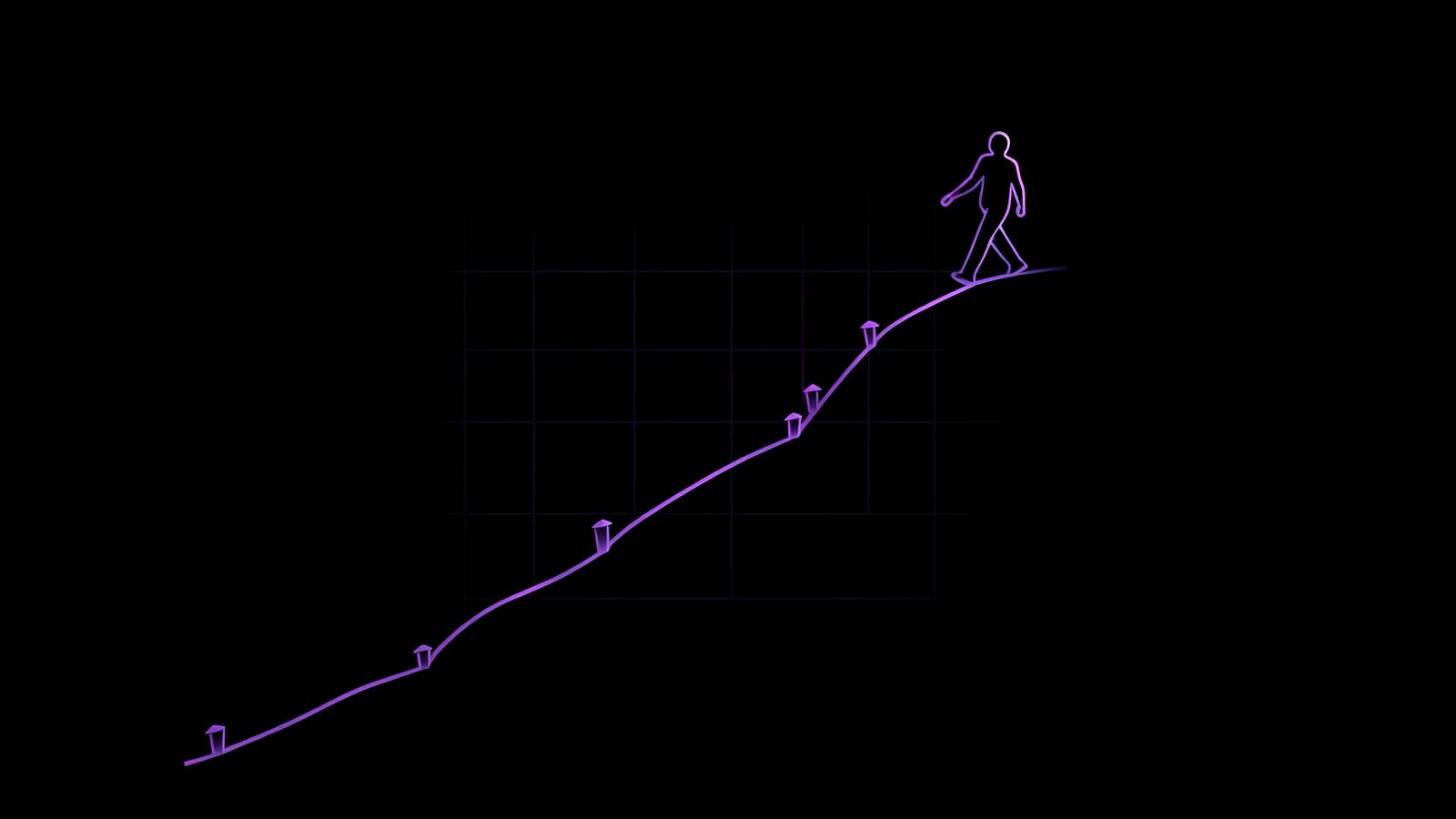
So here's an honest attempt. Structured treatment programmes are typically measured in months rather than years, meaningful change often shows up in the first weeks, and recovery almost never looks like a clean stop. What it looks like is a declining pattern with slips in it — which is a very different thing to fail at.
Part of our guide to limerence recovery and getting someone out of your head.
What the treatment research suggests
Cognitive behavioural therapy has the strongest evidence base for binge eating, and standard courses generally run around sixteen to twenty sessions across roughly four to five months. Guided self-help versions are often shorter. Many people notice binge frequency dropping in the early weeks, once regular eating is established — before any of the deeper work on triggers and beliefs has happened.
That early drop matters for morale: the first thing that helps is also the most mechanical thing. You are not waiting months for insight to arrive.
A realistic timeline
01Week one: fix the gaps, not yourself
Three meals, two snacks, no gaps longer than about four waking hours. You'll likely still binge this week. That's expected — the point of week one is to stop the deficit, not to stop the behaviour.
02Weeks two to four: frequency starts moving
This is where many people see the first real drop, often from most nights to a couple. Urges typically remain strong; what changes is that they no longer arrive on top of genuine hunger, which makes them survivable.
03Months two to three: the patterns become obvious
With a few weeks of logs, the triggers stop being mysterious — a particular hour, a particular room, Sunday evenings, arguments, exhaustion. Predictable urges can be planned for. Unpredictable ones can only be endured.
04Months three to four: the aftermath changes
Often the biggest shift isn't fewer binges but shorter consequences. What used to trigger four days of restriction and self-loathing becomes an evening followed by an ordinary breakfast. That is the loop failing to close.
05Months four to six: quiet stretches
Weeks pass. Then a bad week arrives — usually attached to stress, illness, travel or a returning diet — and it feels like proof nothing worked. It isn't. A relapse inside a downward trend is part of the shape.
06Beyond six months: maintenance, not vigilance
Most people describe an ongoing awareness rather than a cure: knowing their triggers, eating regularly by default, and catching the slide earlier. The food noise is usually the last thing to go quiet, and it does get quieter.
“Four months in I had my first two-week gap. Then I binged, decided I'd wasted four months, and restricted for a week — which was the actual mistake. The binge cost me a night. The reaction cost me a fortnight.”
What makes it slower
- Continuing to diet or fast. Nothing extends this timeline more reliably than an ongoing deficit.
- Streak systems where one slip resets you to zero, which turn a single night into a full abandonment.
- Compensating after a binge — skipped meals, punishing exercise — which rebuilds the setup immediately.
- Doing it in total secrecy, with no witness and no support of any kind.
- Untreated depression, anxiety, ADHD or trauma, which frequently sit underneath the eating and need their own treatment.
- Poor sleep, which measurably increases hunger and reward-seeking the following day.
The number, as best anyone can give it
A few weeks for the first real reduction. Three to six months for a pattern that feels genuinely different. Somewhere past that, an ordinary relationship with food that you stop having to think about. And the single largest variable in all of it isn't willpower — it's whether you keep eating regularly through the weeks where it doesn't feel like it's working yet.
Frequently asked questions
How long does it take to stop binge eating?
Structured cognitive behavioural treatment for binge eating typically runs around sixteen to twenty sessions over four to five months, and many people see binge frequency fall within the first few weeks once regular eating is in place. A pattern that feels genuinely different usually takes three to six months rather than years.
Is it normal to relapse during binge eating recovery?
Yes. Recovery generally looks like a declining trend with slips rather than a clean stop, and periods of stress, illness, travel or renewed dieting commonly bring episodes back temporarily. What matters most is refusing to compensate afterwards, because compensation is what turns one night into a longer relapse.
How do I measure progress in binge eating recovery?
Track binges per month alongside urges and triggers rather than consecutive perfect days. A drop from eighteen episodes a month to four is major progress that a streak counter resetting to zero would misrepresent as repeated failure.
What slows down recovery from binge eating?
Ongoing dieting or fasting, compensating after episodes, all-or-nothing streak thinking, complete secrecy with no support, poor sleep, and untreated depression, anxiety, ADHD or trauma. Continued restriction is the most common and most powerful of these.
Does binge eating disorder go away on its own?
It can fluctuate, but it often persists for years without intervention, and it responds well to treatment — particularly cognitive behavioural approaches. Earlier treatment generally produces better outcomes, so waiting to see whether it resolves is rarely the best strategy.
Do food noise and cravings ever fully stop?
Many people describe the chatter becoming markedly quieter over months as regular eating is established and food rules relax, though it's often the last thing to change. Most report ongoing awareness of their triggers rather than a total absence of urges.

Silence
Kill the food noise. Break the binge cycle.
A recovery toolkit for food noise and binge eating. Track binge-free streaks, log triggers, use the panic button, and reclaim your relationship with food.
Learn more about Silence