Content hub
Limerence Recovery: The Complete Guide to Getting Someone Out of Your Head
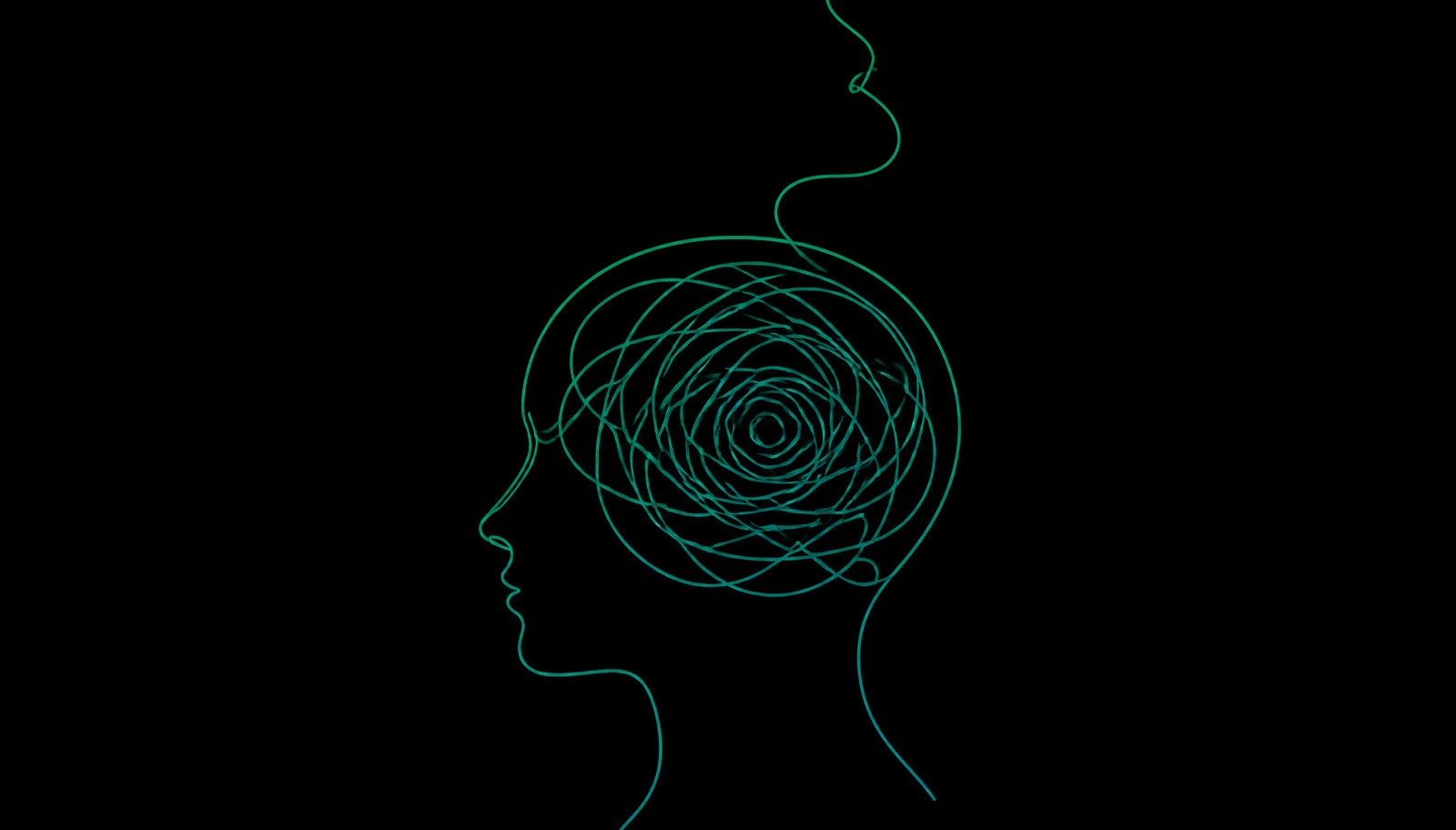
There is a particular kind of loneliness in searching for this at 2am. You've already read the breakup articles. You know about self-care and time healing all wounds. None of it explains why you've re-read the same three messages forty times tonight, or why your entire nervous system reorganises itself around whether one person's name appears on your screen.
You are not weak, and you are not "too much." What you're describing has a name — limerence — and it behaves far more like withdrawal than like romance. This page is the map of everything we've written on it: what's happening in your brain, what actually helps, and what to do at the exact moment you're about to break.
What limerence actually is
The term was coined in the 1970s by psychologist Dorothy Tennov, who interviewed hundreds of people caught in what she called an involuntary state of intrusive, obsessive infatuation. Her subjects described the same things you probably would: constant mental replaying, a desperate hunger for any sign of reciprocation, mood entirely determined by the other person's behaviour, and an inability to concentrate on ordinary life.
The key word is involuntary. Limerence isn't a decision you're making badly. It's a state you fell into, usually with someone whose interest was inconsistent — hot then cold, available then distant. That inconsistency is not incidental. It's the engine.
- Intrusive thoughts you didn't invite and can't switch off, often for hours a day
- Extreme sensitivity to any hint of interest, and devastation at any hint of rejection
- Fantasy scenes that feel more vivid and more real than your actual day
- Physical symptoms: chest tightness, appetite loss, broken sleep, trembling when their name appears
- A brutal awareness that this person may not be good for you, that changes nothing about the craving
“I would trade almost anything for one hour where they aren't in my head. That's what I can't explain to people who tell me to move on.”
Why it feels like withdrawal, because it is
Brain imaging work on romantic rejection — most notably studies led by Helen Fisher and Lucy Brown — found that looking at photographs of a rejecting partner activated regions tied to reward, craving and motivation, including areas implicated in substance addiction. Separate research by Ethan Kross and colleagues showed that intense social rejection recruits some of the same neural circuitry that processes physical pain.
That is the whole explanation for why this doesn't respond to reason. You're not fighting a bad opinion about someone. You're fighting a reward system that has learned that this person is the source of relief, and now sends escalating craving signals whenever the supply stops.
The five things that reliably move the needle
Across the clinical literature on obsessive attachment, craving and habit change, the same handful of mechanisms keep showing up. None of them are pretty and none are instant. All of them work better than waiting to stop caring.
01Cut the supply, completely
Extinction requires that the reward stops arriving. Every check, every glance at their story, every ambiguous message resets the clock on your brain's unlearning. This is what no contact is actually for — not punishment, not a strategy to make them miss you.
02Ride urges instead of fighting them
Urge surfing, developed in relapse-prevention work by Alan Marlatt, treats a craving as a wave: it rises, peaks, and falls, usually inside twenty to thirty minutes if you don't feed it. You don't need to win the argument with the urge. You need to outlast it.
03Discharge the emotion without sending it
Expressive writing research, notably James Pennebaker's, found that putting intense emotional experience into words reduces its grip. The catch is that sending it to them re-opens the reward loop. So write everything, send nothing.
04Correct the fantasy with evidence
Limerence runs on an edited highlight reel. Cognitive restructuring — deliberately putting the omitted facts back in front of yourself — is one of the most established techniques in therapy for a reason. Your own written record of how they actually treated you beats your memory of it.
05Make progress visible
Self-monitoring is one of the most consistently effective behaviour-change tools studied, partly because it converts an invisible slog into something you can see. Day three feels identical to day one from the inside. It isn't.
The questions everyone asks, answered properly
Each of these started as a question asked over and over in recovery forums and search bars, usually late at night, usually phrased with an apology attached. Each one is big enough to deserve its own answer rather than a paragraph.
What recovery actually looks like
It is not a clean line. Most people describe a brutal first few days, a genuine lift somewhere in the first fortnight, then weeks where the thoughts return in ambushes — a song, a street, a Tuesday for no reason. The ambushes get shorter. Then they get further apart. Eventually you notice you went a whole day without checking, and the noticing itself feels strange.
The goal isn't to stop caring on command. It's to get your attention, your sleep and your sense of self back out of one person's hands. That is achievable, and it is closer than it feels from where you're sitting tonight.
Read the full series
- Why Can't I Stop Thinking About Someone? The Real Reason Your Brain Won't Let GoYou've tried logic, distraction and telling yourself to grow up. None of it works, because rumination isn't a reasoning problem. Here's what it actually is.
- Does No Contact Actually Work? What Happens in Your Brain During the First 30 DaysMost people abandon no contact somewhere around day three — right at the point it's starting to work. Here's what's happening, week by week.
- How to Stop Checking Their Social Media (When You've Already Promised Yourself You'd Stop)You know the exact number of story views. You've noticed who's suddenly liking their posts. Here's why checking is compulsive, and how to make it stop.
- Limerence vs Love: How to Tell the Difference When Everything Feels Like Love"But what if this is real?" is the question underneath all the others. Here's how craving and love genuinely differ, without dismissing what you feel.
- Why Does Heartbreak Physically Hurt? The Chest Pain, the Nausea, the Sleepless NightsYou're not being dramatic. Rejection recruits pain and stress systems that produce real symptoms — and knowing that changes how you treat it.
- How Long Does Limerence Last? An Honest Timeline of Getting Over Someone"How long until this stops?" deserves a real answer rather than time heals everything. Here's what the research suggests and what changes the number.
- "Did They Ever Actually Care About Me?" Why You Can't Stop Asking, and What to Do With the AnswerYou've analysed every message for evidence. The question is unanswerable by design — and needing the answer is the thing keeping you stuck.
Frequently asked questions
Is limerence a mental illness or a diagnosis?
No. Limerence is not a clinical diagnosis in the DSM-5. It's a descriptive term for an involuntary state of obsessive infatuation, coined by psychologist Dorothy Tennov. That said, the distress it causes is real, and if the obsession is affecting your work, sleep or safety, it's worth speaking to a therapist — especially one familiar with OCD-type intrusive thinking or attachment work.
What is the difference between limerence and love?
Limerence is centred on uncertainty and relief: it's fuelled by not knowing where you stand, and its main feeling is craving. Love tolerates the other person being ordinary, absent, or unimpressed with you. A useful test is what happens when they become fully, boringly available — limerence usually deflates, while love doesn't.
How long does limerence last?
Tennov's original interviews suggested episodes commonly ran anywhere from a few months to a couple of years, with an average often cited around 18 months to three years when contact continues. Cutting off contact and stopping the fantasy rehearsal shortens it substantially, because both are what keep the loop supplied.
Does no contact really work, or is it just a myth?
It works, but not for the reason it's usually sold. No contact isn't a tactic to make someone chase you. It removes the intermittent reward your brain is chasing, which is the condition required for the craving to extinguish. It also tends to feel worse before it feels better, which is why so many people abandon it around day three.
Why can't I stop checking their social media even though it hurts?
Because the checking is reinforced by relief, not by pleasure. Each check briefly quiets the anxiety of not knowing, which trains the behaviour, and the occasional emotionally loaded post makes the reward unpredictable enough to be compulsive. Removing access — muting, blocking, deleting the app — works better than resolving to check less.
Is it normal for a breakup to hurt physically?
Yes, and it's well documented. Research on social rejection has found overlap with the neural processing of physical pain, and grief-related stress hormones can produce genuine chest tightness, nausea, appetite loss and disrupted sleep. It's not dramatics; it's physiology.
Can I recover from limerence if I still have to see the person?
It's harder, but possible. When full no contact isn't an option — a colleague, a co-parent, a shared friend group — the aim becomes low contact: no private channels, no non-essential conversation, no reading old messages, and a firm rule against post-mortem analysis with mutual friends. Reducing the unpredictability is the active ingredient.
Does talking about them constantly help me process it, or make it worse?
There's a difference between processing and rehearsing. Writing or talking that makes sense of what happened tends to reduce distress; replaying the same details for reassurance tends to deepen the groove. If a conversation ends with you feeling more hooked rather than clearer, that's rehearsal.

Anchored
Break the cycle of limerence and relationship addiction
Break the cycle of limerence and obsessive love. Track no contact, manage urges, and follow science-based milestones toward emotional recovery.
Learn more about Anchored