Food Noise & Binge Eating Recovery
What Is Food Noise? Why You Can't Stop Thinking About Food All Day
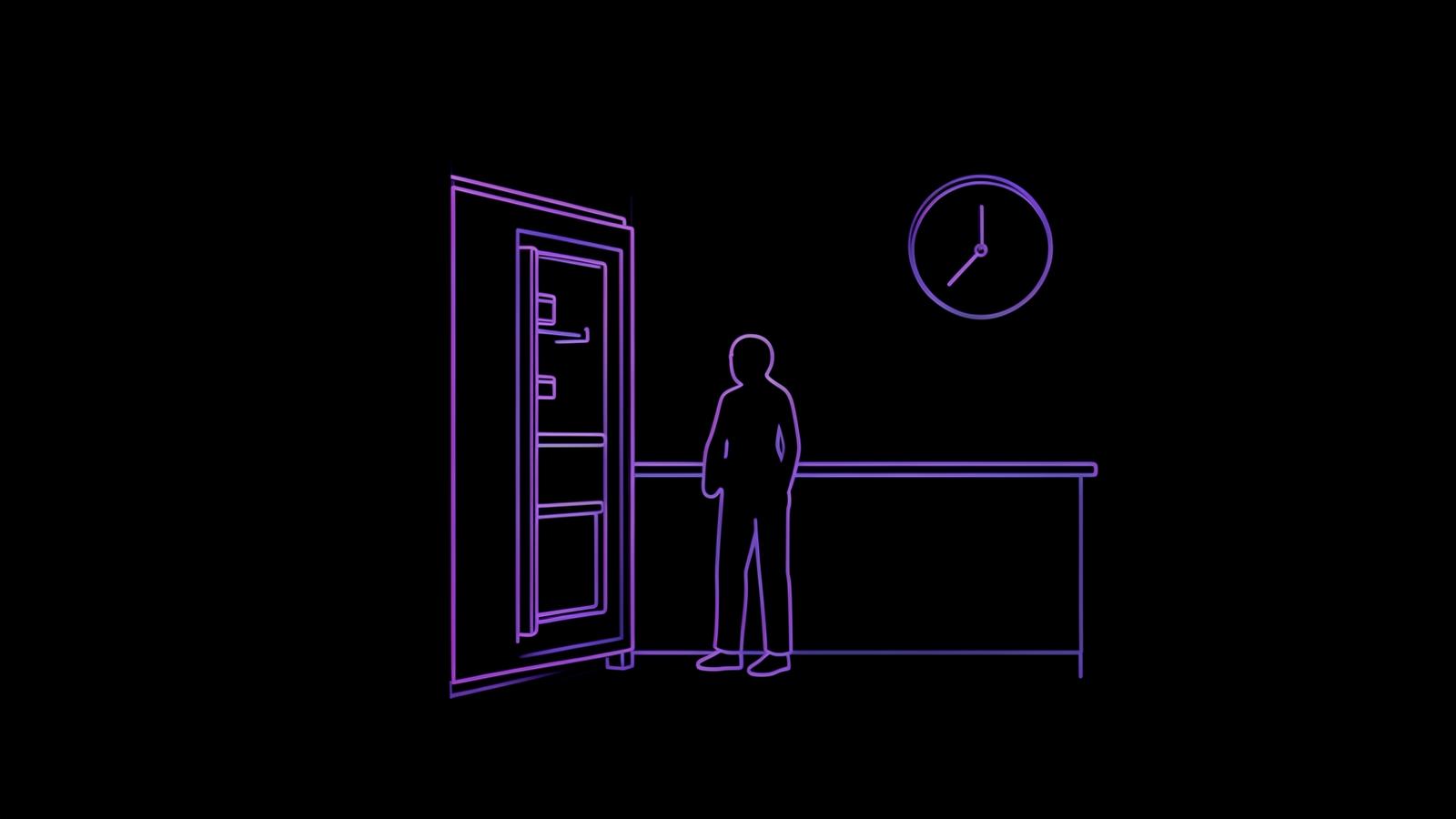
The realisation usually arrives sideways. Someone mentions they forgot to have lunch. Not skipped it — forgot. And you sit there quietly recalculating your entire life, because you have never once forgotten a meal, and you have thought about food roughly every eleven minutes since you were fourteen.
That gap has a name. What you have is food noise, and the fact that other people genuinely don't experience it is not a reason to feel broken. It's the first piece of useful information you've had in years.
Part of our guide to limerence recovery and getting someone out of your head.
A definition that actually matches the experience
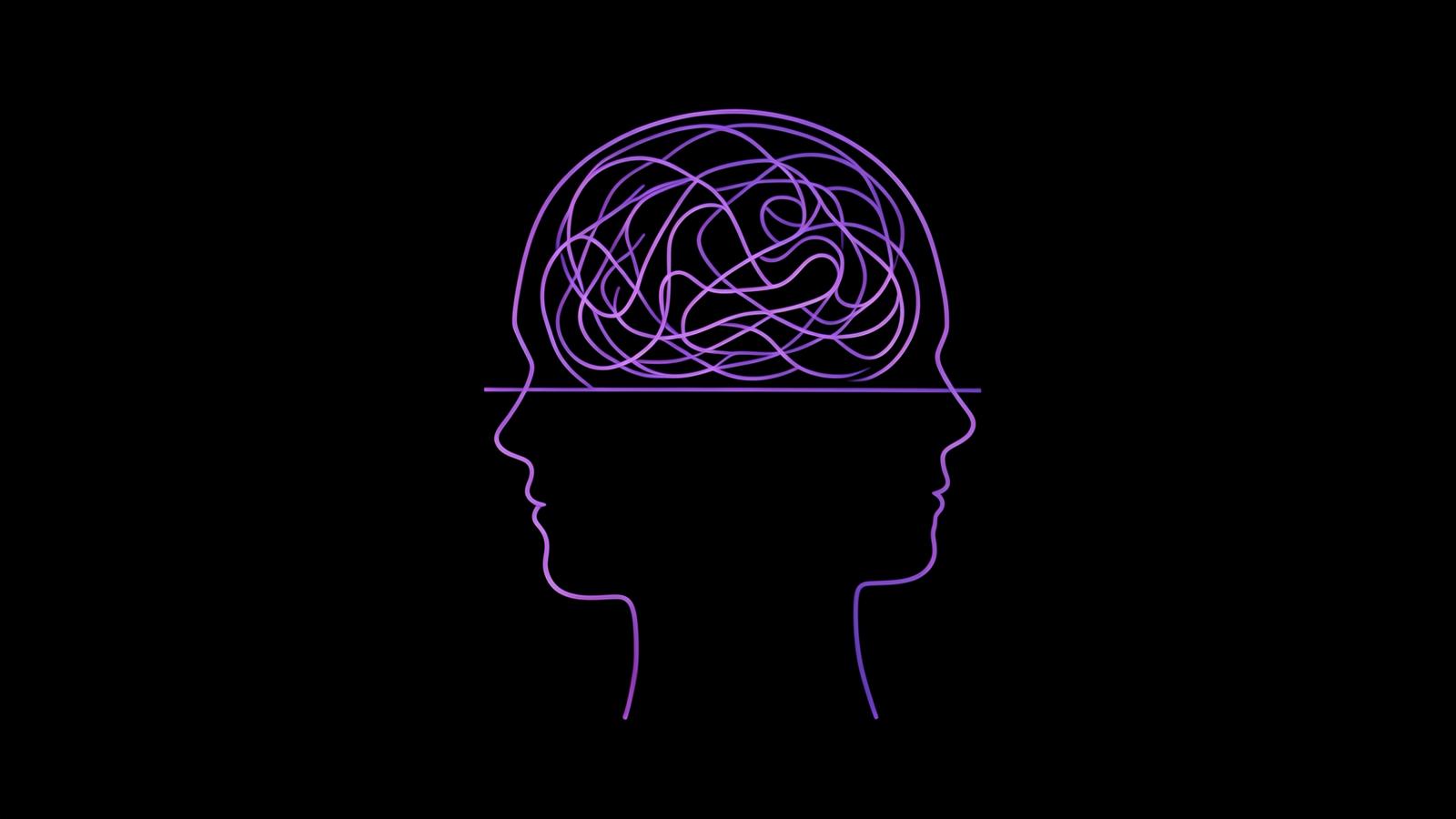
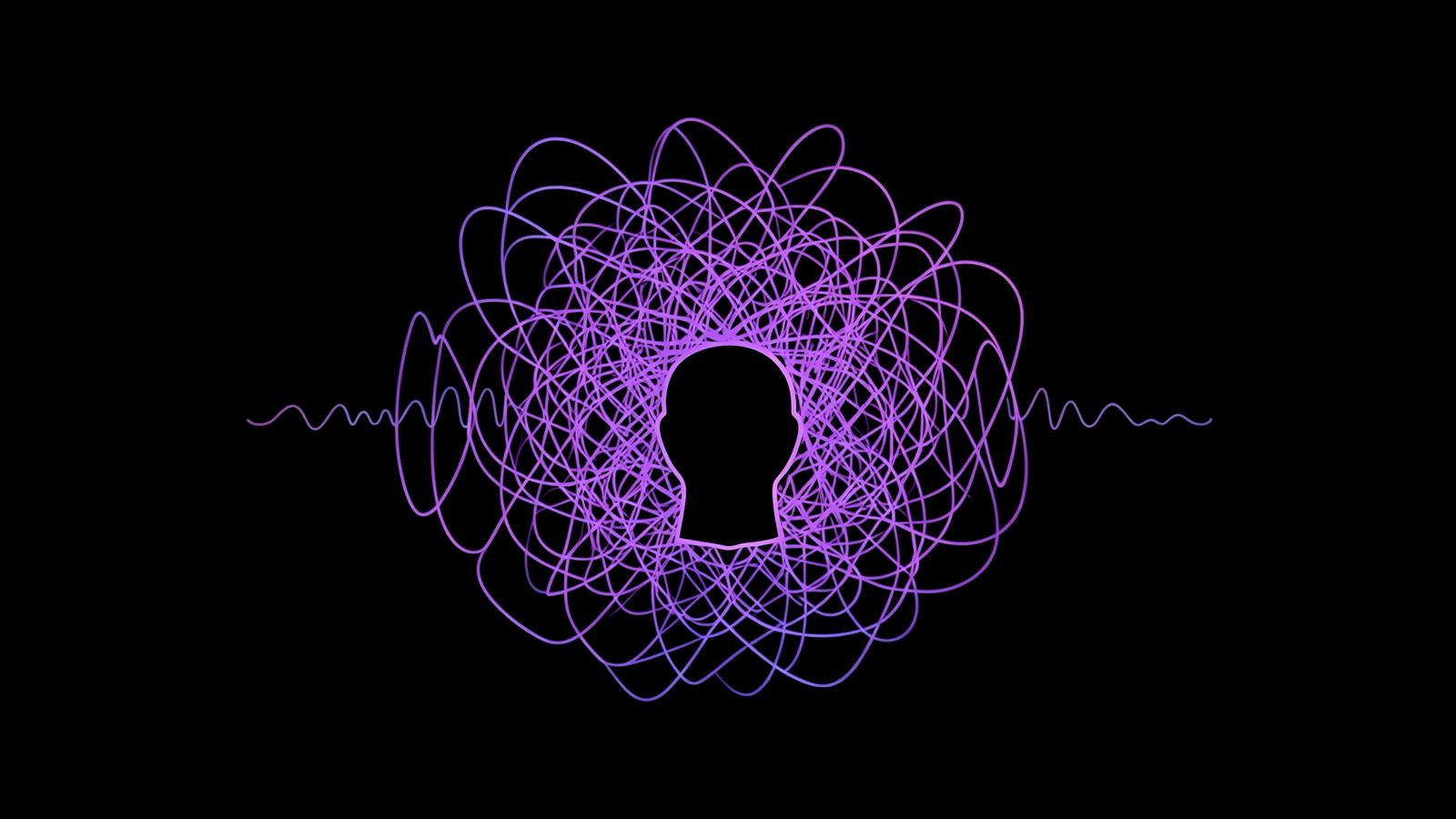
Food noise is persistent, intrusive mental activity about eating that runs independently of physical need: cravings arriving unprompted, running commentary on what you've eaten, negotiation about what comes next, and guilt threaded through all of it. It is not hunger and it is not enjoyment of food. Most people who live with it describe it less as desire and more as a radio they can't switch off.
The term went mainstream for an unexpected reason. People prescribed GLP-1 medications kept reporting the same side effect in almost identical language — the chatter stopped, and the silence was startling. That gave a name to something millions had assumed was simply what having a body felt like.
Food noise versus actual hunger
- Hunger builds gradually over hours. Noise arrives in an instant, often triggered by a sight, a smell, a time or a feeling.
- Hunger is flexible — an apple, eggs, leftovers, anything. Noise is specific and non-negotiable about one food.
- Hunger is felt in the body: emptiness, low energy, irritability. Noise is felt in the head, as thought and argument.
- Hunger settles when you eat. Noise very often gets louder immediately after eating, which is the clearest tell of all.
- Hunger doesn't come with guilt attached. Noise arrives pre-loaded with it.
Where the volume comes from
Foods engineered to be hard to stop eating
Kevin Hall's tightly controlled feeding study at the NIH gave participants ultra-processed and minimally processed diets matched for nutrients and equally rated for palatability. On the ultra-processed diet people ate several hundred more calories a day, without intending to. The relevant point isn't moral: it's that the drive to eat can be manufactured, and it has been, deliberately, for decades.
Restriction, which turns the volume up
The Minnesota Starvation Experiment is the uncomfortable classic here. Healthy young men placed on prolonged semi-starvation developed obsessive food preoccupation, ritualised eating, hoarding of recipes and episodes of loss of control. None of them had an eating disorder beforehand. Under-eating produced the psychology on its own — which means every diet that leaves you underfed is also a food noise generator.
Cues you trained without meaning to
Cue reactivity is learned association. Eat in the same chair at the same hour under the same stress often enough and the chair alone starts producing the urge. It feels like a spontaneous craving. It's closer to a doorbell.
Suppression, which backfires reliably
Daniel Wegner's thought-suppression research showed that instructing yourself not to think about something increases how often it intrudes. "Don't think about the biscuits" is not a neutral instruction — it's a rehearsal. This is why sheer mental discipline has produced nothing for you but exhaustion.
“I don't even want it. I just can't put the thought down. It's like having a browser tab open that I'm not allowed to close.”
What turns the volume down
01Eat enough, on a schedule
Three meals and two snacks at roughly fixed times, protein and fibre at each, regardless of whether you feel you've earned them. Regular eating is the first intervention in cognitive behavioural treatment for binge eating for a reason: it removes the deficit the noise is amplifying.
02Name it instead of arguing with it
"That's noise, not hunger." Labelling an internal state reduces its intensity — a well-replicated finding in affect-labelling research. Arguing back does the opposite, because argument is engagement.
03Log the pattern for two weeks
Time, place, mood, what happened just before. Nearly everyone finds two or three reliable triggers they'd have sworn were random. Patterns you can see stop feeling like personal failings.
04Change the context, not your resolve
Different room, different chair, a walk at the hour the noise peaks. You are dismantling a cue, and cues respond to environment far faster than to intention.
05Stop banning foods outright
Absolute prohibition manufactures scarcity, and scarcity is the raw material of food noise. Planned, unhurried inclusion of the food you're most afraid of tends to reduce its power over months, not increase it.
What quiet actually feels like
People who get there rarely describe triumph. They describe absence: getting to 3pm and realising they haven't thought about food since breakfast, and the peculiar disorientation of having spare mental capacity. That's the goal. Not control over food. Just a head with fewer voices in it.
Frequently asked questions
What does food noise mean?
Food noise refers to persistent, intrusive thoughts about food — cravings, planning, mental arithmetic about what you've eaten and guilt about it — that continue regardless of physical hunger. It's a description of mental chatter rather than appetite, which is why eating often fails to quiet it.
Is food noise the same as hunger?
No. Hunger builds slowly, accepts any food, is felt in the body and settles once you eat. Food noise appears abruptly, demands one specific food, is experienced as thought, and frequently gets louder just after eating.
Why do I think about food all day?
Usually some combination of not eating enough, a food environment built around hyper-palatable products, learned cues tied to particular times or places, and thought suppression that rehearses the very thought you're trying to avoid. Restriction is the most commonly overlooked driver, because it looks like the solution.
Can food noise go away without medication?
Many people substantially reduce it through regular adequate eating, trigger awareness, cue changes and dropping all-or-nothing food rules. GLP-1 medications reduce it for some people, but they aren't the only route, and behavioural change addresses the restriction cycle that medication alone doesn't.
Does dieting make food noise worse?
Frequently, yes. Semi-starvation research documented obsessive food preoccupation and loss of control developing in previously healthy people purely from under-eating. If your diet leaves you underfed, expect the chatter to increase rather than fade.
Is food noise a sign of an eating disorder?
Not by itself, but it is a common feature of binge eating disorder and other disordered eating. If it comes with binge episodes, purging, severe restriction or significant distress and interference in daily life, it's worth an assessment with a doctor or eating disorder service.

Silence
Kill the food noise. Break the binge cycle.
A recovery toolkit for food noise and binge eating. Track binge-free streaks, log triggers, use the panic button, and reclaim your relationship with food.
Learn more about Silence