Food Noise & Binge Eating Recovery
Why Do I Binge After Eating Healthy All Day? The Restrict-Binge Cycle Explained
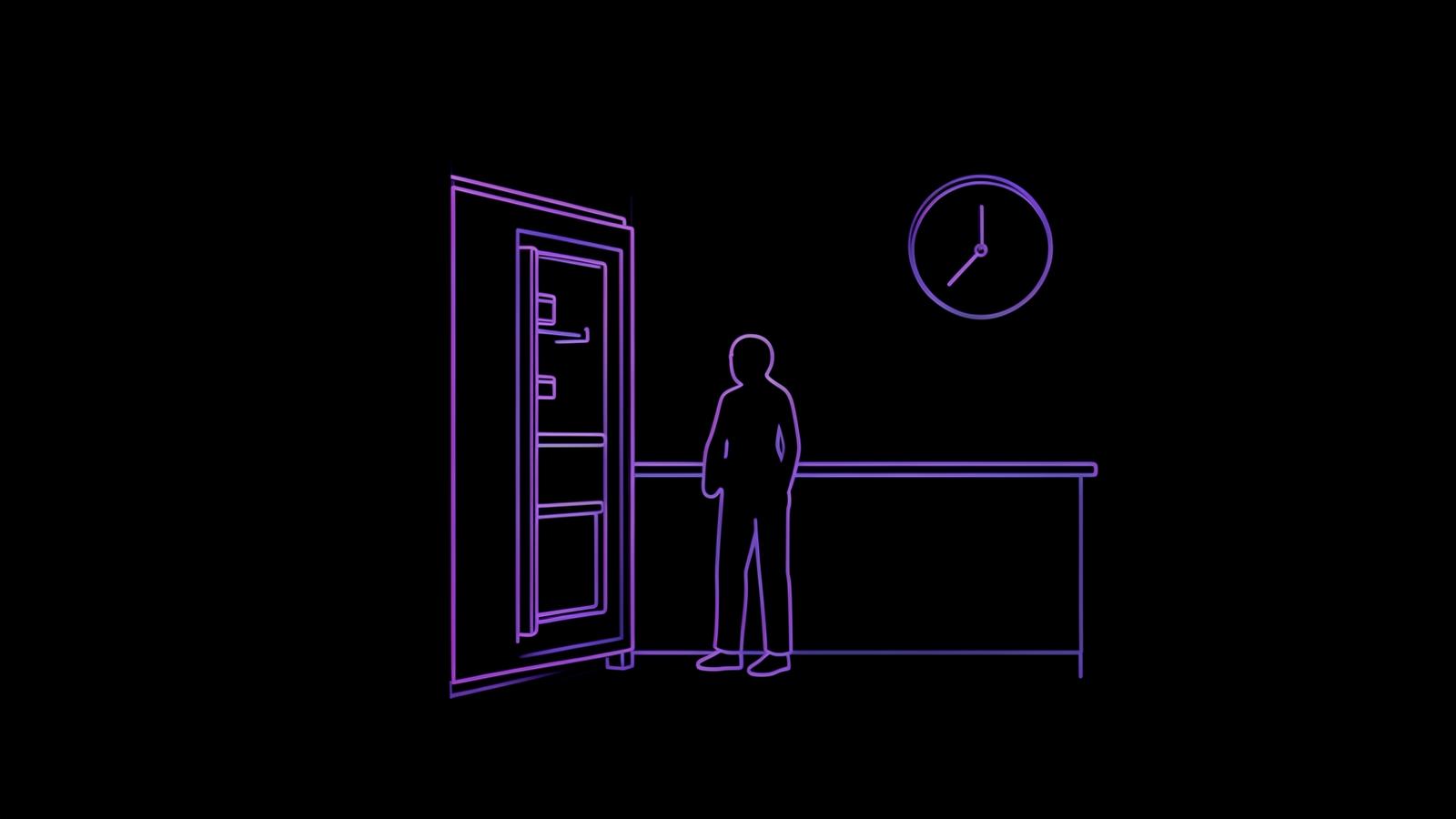
Two facts sit next to each other in your head and refuse to reconcile. One: you have enormous discipline — you can eat 1,200 careful calories for eleven days straight. Two: you also eat an entire week's food in ninety minutes and can't stop.
They aren't contradictory. They're the same system. And the discipline is not the part keeping you safe from the bingeing — it's the part producing it.
Part of our guide to limerence recovery and getting someone out of your head.
The loop, and why it's self-sustaining
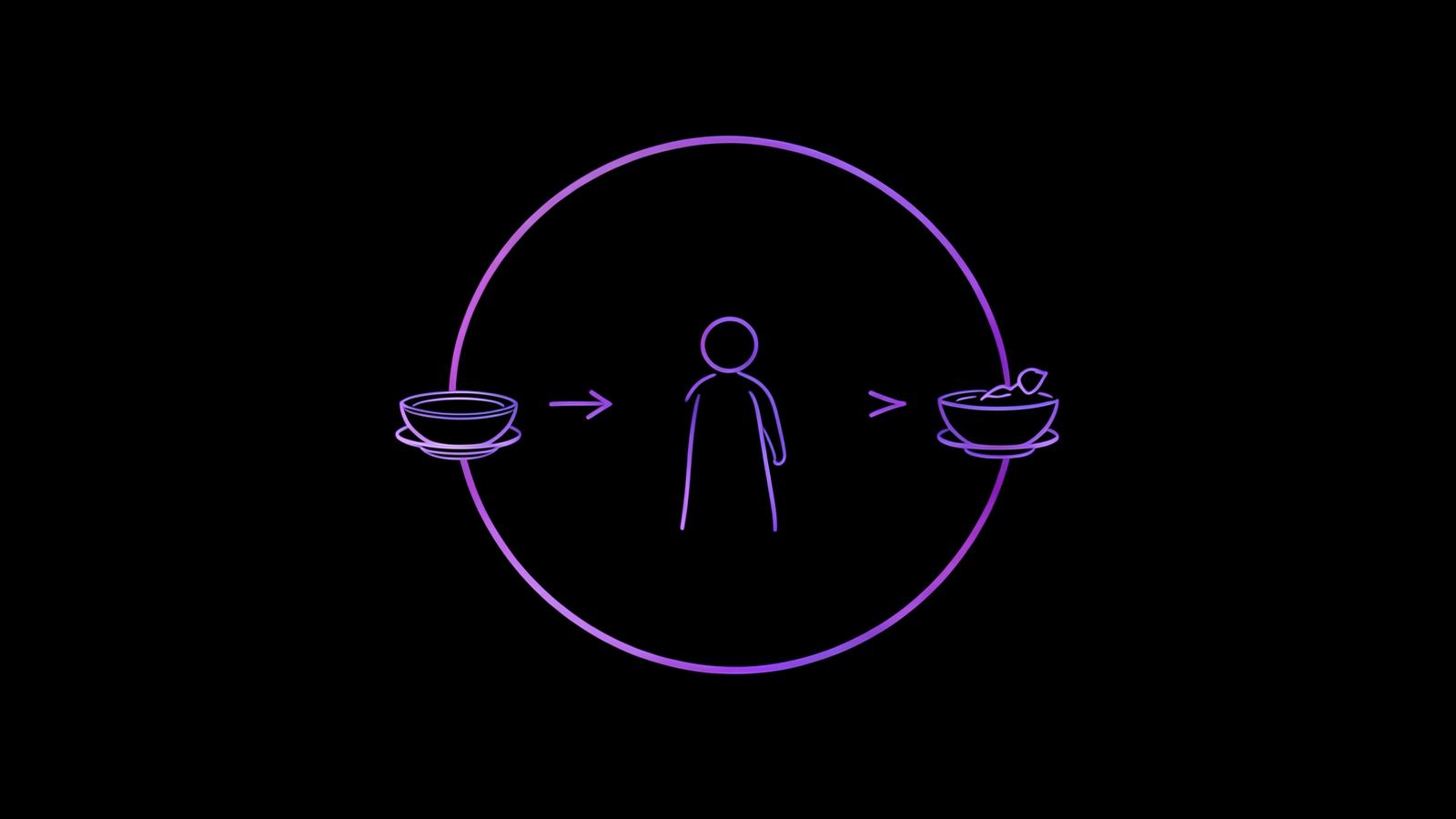
Restriction creates deficit. Deficit heightens food preoccupation and reward response. A cue lands, a rule breaks, and all-or-nothing thinking converts a small deviation into a full binge. Shame follows. Shame prescribes stricter restriction. And the stricter rule builds a bigger deficit than the one that just failed.
Nothing about that requires a personality flaw. It only requires the first step to keep happening.
The three mechanisms doing the work
Physiological: your body isn't negotiating
The Minnesota Starvation Experiment remains the clearest evidence: prolonged under-eating in healthy men produced obsessive thinking about food, ritualised eating, hoarding and loss of control. Restriction manufactures the psychology of bingeing. If your day is a deficit, your night has a job.
Psychological: scarcity makes food louder
Forbidding a food raises its salience. Wegner's suppression research shows the thought you're policing intrudes more, and restraint research has repeatedly found that restrained eaters overeat more readily once a rule is perceived as broken. Forbidden and irresistible are closely related states.
Cognitive: the what-the-hell effect
This is the hinge. Abstinence-violation thinking means one biscuit doesn't stay one biscuit — it reclassifies the entire day as ruined, and a ruined day has no reason for restraint. Studies of restrained eaters given a preload found precisely this: a small deviation triggered substantially more eating. The binge isn't caused by the biscuit. It's caused by the rule that made the biscuit mean something catastrophic.
“I had one square of chocolate at 4pm. By 9pm I'd eaten everything sweet in the flat, on the logic that the day was already ruined so I might as well finish it and start clean tomorrow.”
The uncomfortable exit
The way out is to eat more, more regularly, and more reliably — which feels like surrender because you've been taught that vigilance is the only thing standing between you and chaos. But regular eating is the first component of cognitive behavioural treatment for binge eating for a reason: it reduces binge frequency by removing the deficit before the rest of the loop can start.
01Fix the schedule before the content
Three meals and two snacks, no gaps longer than about four waking hours, for two weeks. Don't change what you eat yet. Just stop the gaps. Most of the change comes from this alone.
02Retire every rule with 'never' in it
Never after 7pm, never carbs, never sugar. Replace them with 'usually' and 'mostly'. A rule that can be broken can be catastrophised; a preference can't.
03Practise the small deviation deliberately
Have one biscuit, in the afternoon, sitting down, planned, and then continue the day exactly as it was. You're rehearsing the thing your brain currently believes is impossible: a deviation that isn't a collapse.
04Delete compensation from your repertoire
No skipped breakfast, no punishment cardio, no fasting to balance the books. Every act of compensation is a deposit into the next binge.
05Track urges and gaps, never calories
The thing to notice is how long since you last ate and what was happening when the urge arrived. Calorie logs keep your attention on numbers, which is the fuel, not the fix.
06Change what a slip means
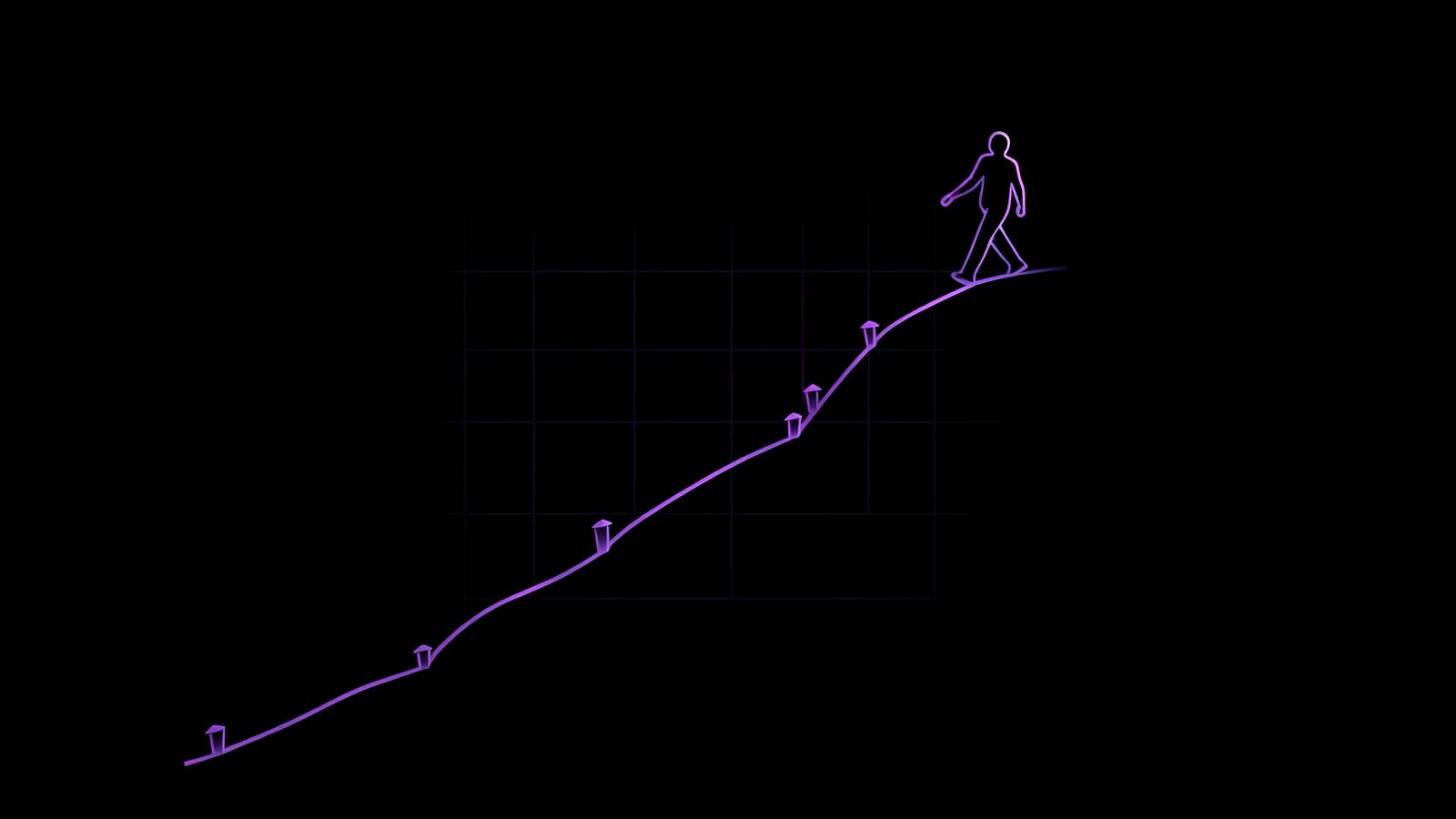
A binge is one event within a downward trend, not a reset to zero. Streak-based thinking that survives a slip is far more sustainable than any system where a bad Tuesday erases three weeks.
What changes first
Usually not the urges. Usually the aftermath. The binge that used to launch four days of restriction and self-loathing becomes an evening followed by an ordinary breakfast. That's not a small thing — it's the loop failing to close, which is the only way any of this ever ends.
Frequently asked questions
Why do I binge after eating healthy all day?
Because a restricted day creates both a physical deficit and a psychological scarcity signal, and once a food rule is even slightly broken, all-or-nothing thinking often converts the deviation into a full binge. The discipline and the binge are two halves of one cycle rather than separate behaviours.
What is the restrict-binge cycle?
It's the self-sustaining loop in which restriction produces deficit and food preoccupation, a cue or a broken rule triggers a binge, shame follows, and the shame prescribes stricter restriction — which builds an even larger deficit for the next round.
What is the what-the-hell effect?
It's the pattern where a small deviation from a strict rule leads to abandoning restraint entirely, on the reasoning that the day is already ruined. Research with restrained eaters has found that a minor preload can trigger substantially greater eating afterwards, which is why rigid rules tend to increase bingeing.
Will I gain weight if I stop restricting?
Most people who binge regularly are already eating more, and far less predictably, than they would with consistent regular meals, so ending the cycle commonly stabilises intake rather than increasing it. If weight is a medical concern for you, work with a doctor or dietitian familiar with binge eating rather than tightening the rules.
Is intermittent fasting bad if I binge eat?
Long deliberate gaps between meals recreate exactly the deficit and rule structure that drive the cycle, so fasting protocols frequently make bingeing worse for people who binge. Regular, evenly spaced eating is the pattern with the strongest support in binge eating treatment.
How do I stop all-or-nothing thinking about food?
Replace absolute rules with flexible preferences, and deliberately practise small planned deviations that you continue the day after rather than abandoning it. Refusing to compensate for a slip — no skipped meals, no punishing exercise — is what teaches your brain that a deviation isn't a collapse.

Silence
Kill the food noise. Break the binge cycle.
A recovery toolkit for food noise and binge eating. Track binge-free streaks, log triggers, use the panic button, and reclaim your relationship with food.
Learn more about Silence